What is an artist operator?
A musician who runs their career as an operation — six jobs done on purpose, rather than by neglect.
The gatekeepers who used to do five of those jobs are gone. Nobody replaced them, and nobody explained that the work had quietly transferred. An artist operator is someone who noticed, named the jobs, and started running them deliberately.
The jobs did not disappear. They moved.
A label used to do distribution, marketing, audience, admin and money. Those five jobs still exist — every one of them still has to be done for a record to reach anybody — but there is no longer a building full of people doing them on your behalf.
What replaced that building was not a system. It was a set of tools sold separately and a widespread suggestion that if the music is good enough, the rest takes care of itself. It does not. The jobs get done deliberately or they get done badly, and most careers that stall are stalled on one specific job that nobody was watching.
“Artist operator” is the name for treating that as a solvable operational problem rather than a matter of luck or temperament. The Artist Operator works through it in 309 pages.
Six jobs, and every career runs all of them
On purpose or by neglect. Naming them is what makes them scoreable, and scoring them is what tells you which one is quietly costing you the most.
What an artist operator is not
- Not a job title. Nobody hires artist operators; artists become them.
- Not a genre, a scene, or a level of success. A support act runs the same six jobs an arena act does.
- Not the opposite of being an artist. The work is job one, and the other five exist to protect it.
- Not something you buy. The book and the packs are instruments; the operating is yours.
Three doors, in increasing order of commitment
4 planners and checklists. An email address, no payment.
The audit finds the job costing you the most, from evidence rather than a hunch.
15 workbooks, each on one job. Buy the one you need.
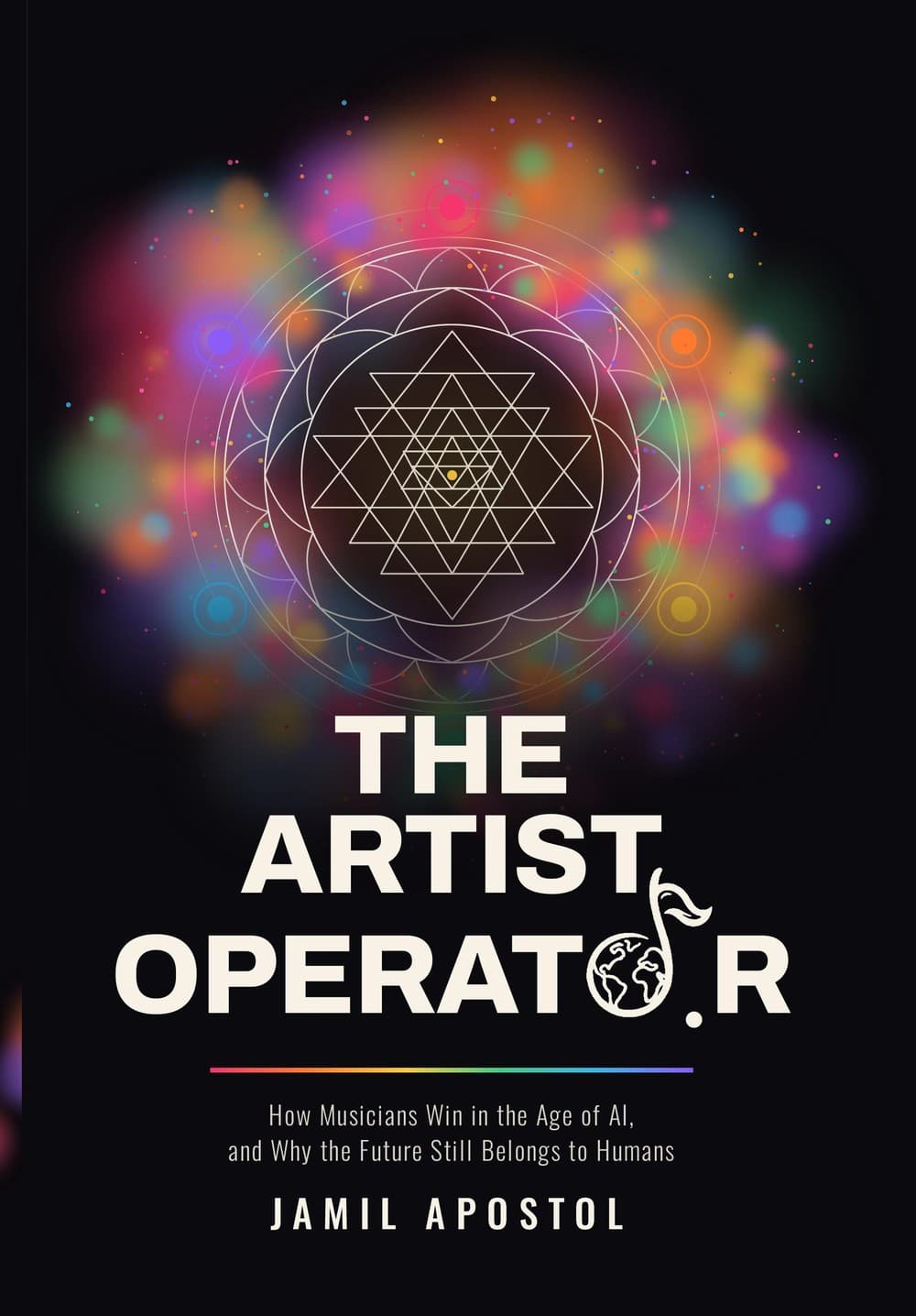
The Artist Operator
The gatekeepers are gone. Every job they used to do — distribution, marketing, audience, admin, money — landed on you, and nobody ever taught you how to do any of it.
Read about the book